Creativity Needs an Alphabet
A rainbow isn't actually seven colours. It's an infinite gradient; every shade bleeding seamlessly into the next. But we defined seven. Red, orange, yellow, green, blue, indigo, violet. Why? Not because that's the truth, but because our brains need structure to do something with information. Infinite possibility is beautiful to look at, but useless to work with.
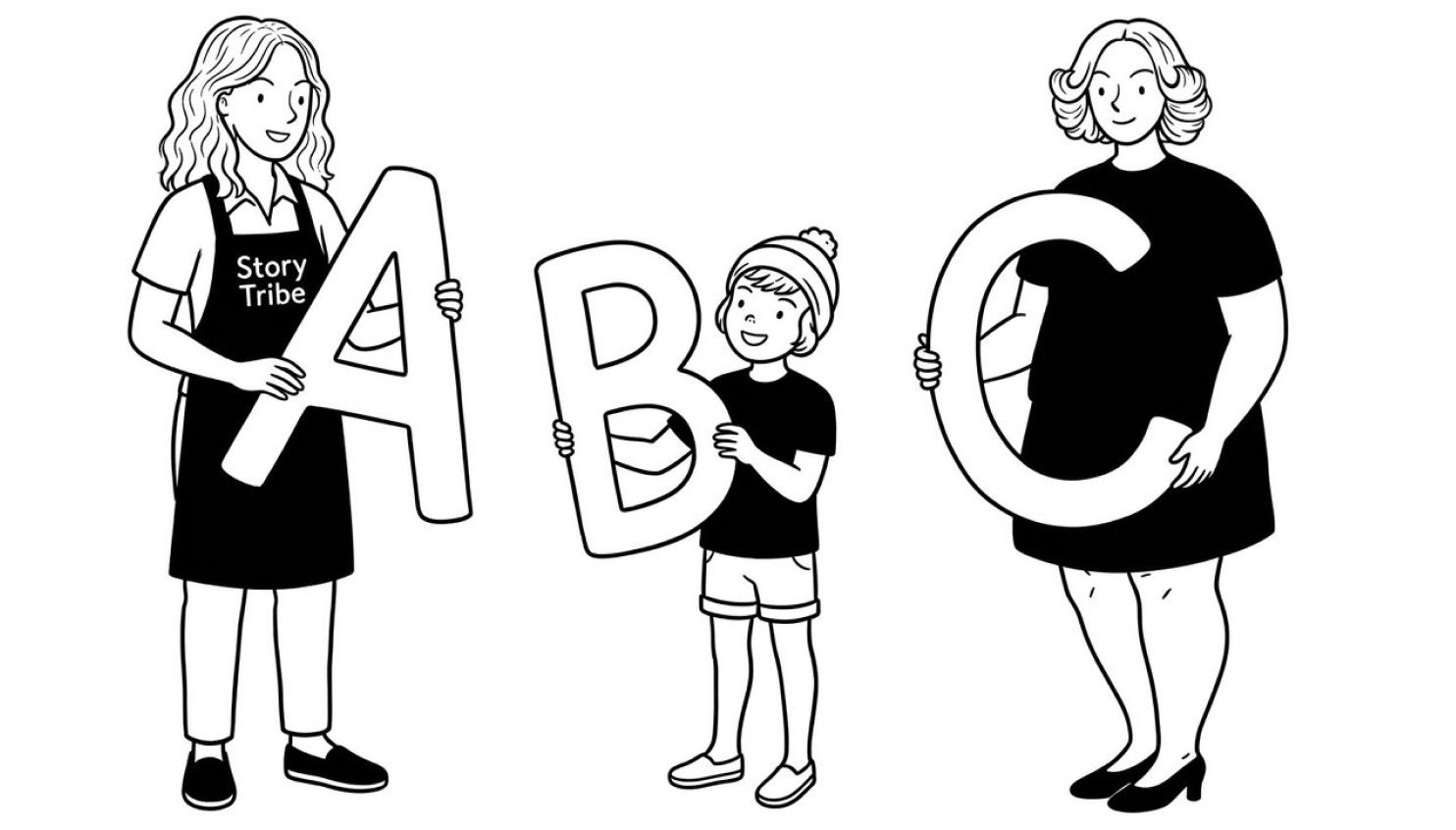
Language works the same way. Our voices can produce an endless range of sounds. But we invented alphabets. A is A, E is E, with countless sounds in between that we chose to ignore. That constraint didn't limit us. It gave us poetry, novels, law, comedy. Everything we've ever written started with someone deciding: these are the sounds that count.
More freedom isn't always more creative.
The clay problem
Right now, AI image generation gives you everything. Any style, any shape, any direction. It's incredible and ...overwhelming. Every pixel is a decision. Every prompt is a negotiation. You spend more time defining details than making what you want.
It's like being handed a lump of clay and told "make anything." Most people freeze. Not because they lack ideas, but because there's no starting point, no structure, no constraints to push against.
Infinity is not freedom. It's a trap.
The Lego principle
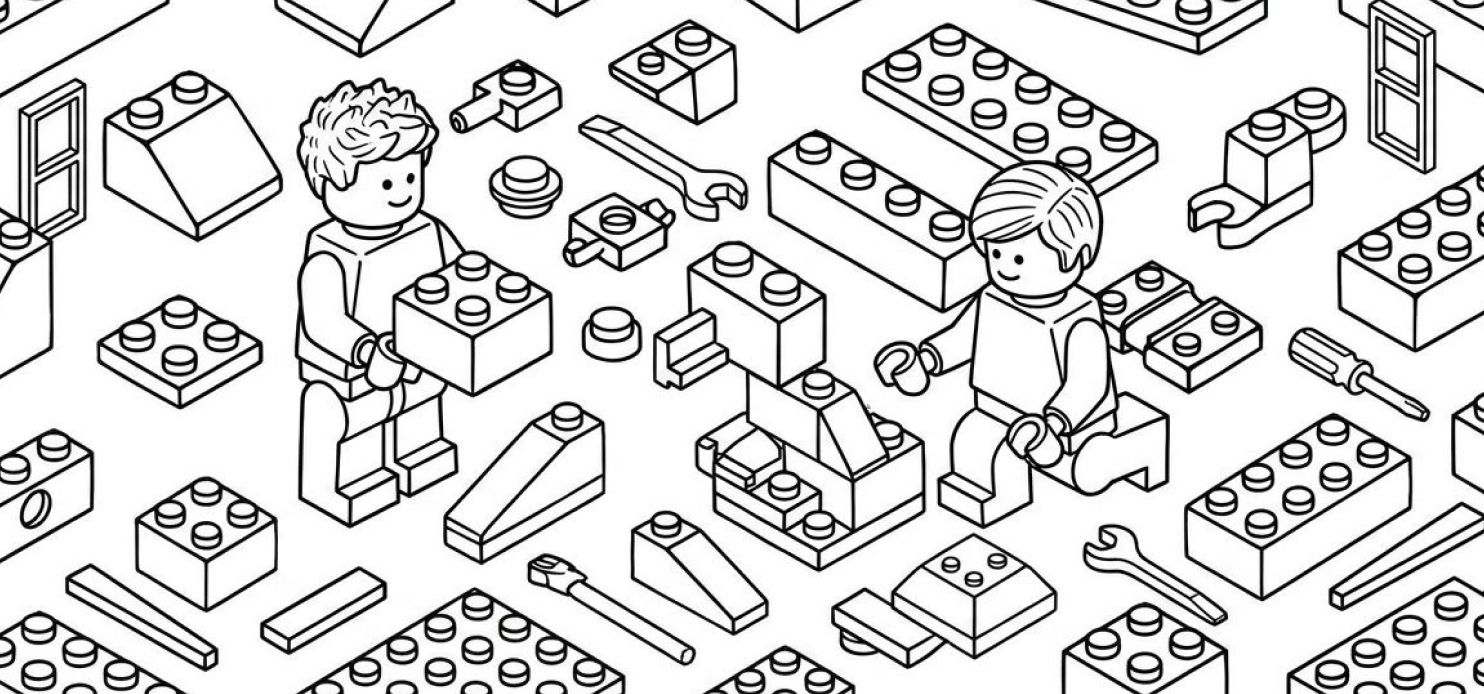
Now let's look at another example from the world of creativity itself: Lego. You can only connect bricks in certain directions. There are limited shapes, limited sizes. You can't make everything, but you can make just about anything, in its own way.
What makes Lego work isn't the bricks. It's that the constraints are low enough for a child to start playing; snapping pieces together, discovering what works, stumbling into something they didn't plan.
That's what creativity actually is: the discovery of unexpected connections between things. Every great invention came from someone combining two existing ideas in a way nobody had before. And each new creation becomes a new piece to connect with, which leads to more discoveries, more combinations. This is how human culture has always evolved, not from blank pages, but from building blocks.
In Lego's case, it gives you just enough structure to make that kind of play possible.
And this principle shows up everywhere in creative work. Musical scales don't limit sound, they break the infinite into blocks you can hold, move, and combine. Colour palettes do the same for vision. Grid systems do it for layout. The best creative systems turn infinite possibility into recognisable pieces you can pick up and start arranging.
The pattern is always the same: define the building blocks, and people will play. Remove all boundaries, and people will stare.
What this means for AI creative tools
The current generation of AI tools optimised for flexibility. That's the clay approach; powerful but demanding. The next generation should optimise for playability. Not blank canvases, but building blocks. Not infinite choice, but recognisable pieces your brain can grab and work with.
This is what we're building with StoryTribe
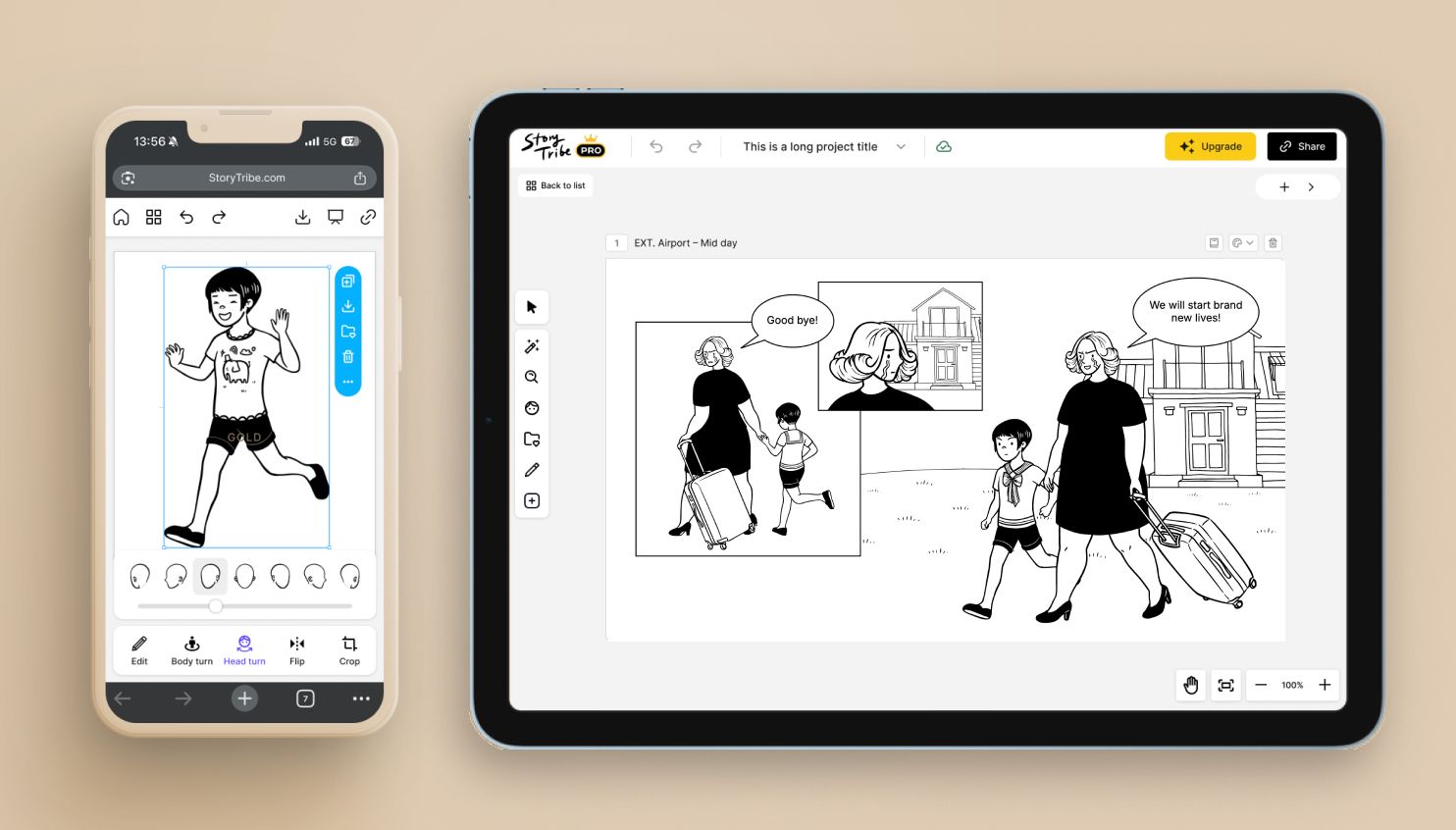
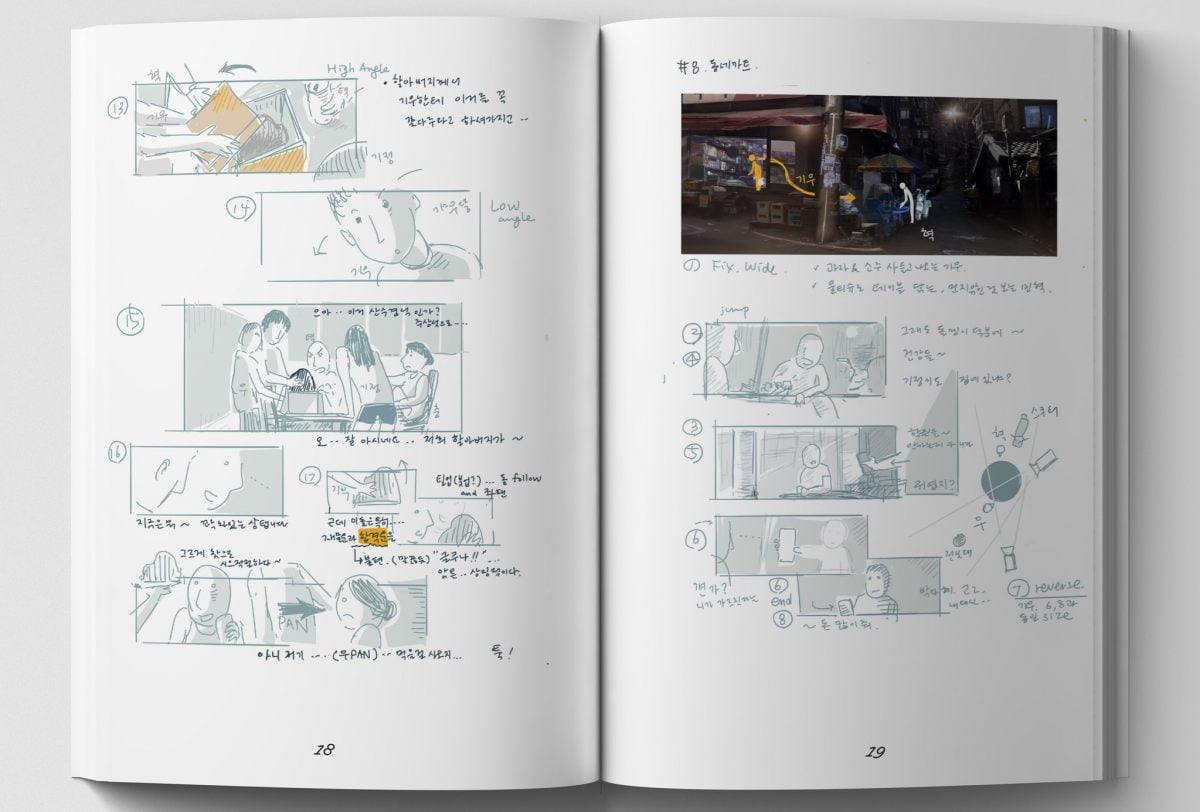
StoryTribe takes this approach to visual storytelling. Instead of asking you to describe everything from scratch, it gives you visual building blocks; characters, scenes, components you can assemble, rearrange, and play with.
It's not trying to do everything. It's trying to give you recognisable pieces; just enough to start making, enough to keep discovering. Like Lego, not clay.
Making is learning. And the easier it is to start making, the faster you learn, the more you discover, the more creative you become.
Seven colours
A rainbow has infinite colours. We defined seven. Not because that's the truth, but because that's what's useful. The best tools don't give us the full spectrum. They give us pieces we can see clearly, and start creating with.
Creativity doesn't need infinite possibility. It needs an alphabet.
New to StoryTribe?
-> Start with our free storyboard maker