
In a world advocating for AI, we advocate for humans
AI should enhance creativity, not replace it. StoryTribe empowers humans to create more, keeping art and storytelling in our hands.

Yunmie & Joe
StoryTribe Team
When people hear the word storyboard, they often imagine something complex — rows of thumbnails, dramatic camera angles, scene transitions, and cinematic flair. But if you're just trying to get your ideas across, it doesn’t have to be like that.
In filmmaking, you have endless tools: multiple camera angles, zooms, cuts, pans, dolly shots, and transitions.
But think about watching a play in a theatre. You're seated in the audience, taking in the entire performance from a single, fixed point of view. No camera movement, no special effects. Just a fixed stage, some props, and a few actors — and yet, it still manages to tell powerful, emotional, complex stories.
That’s exactly the mindset behind a minimalist storyboard.
Like a stage play, a minimalist storyboard just needs three things:
And everything you need to show your audience happens within that frame.
You can tell almost any basic visual story with just three types of shots — all from the same front angle:
All of these can be drawn from the same frontal perspective. No camera swings. No over-the-shoulder setups. No jump cuts. Just a clean, flat view — like you're sitting in the audience, watching the characters play out their story on stage.
A minimalist storyboard has one huge advantage:
It lets you focus on the story.
You don’t have to worry about camera angles, fancy transitions, or technical tricks. That means:
The cinematic extras can come later if you need it. In the early stage, what matters is the idea — and a simple, stage-play-like storyboard is often the fastest way to get it out of your head and onto the page.
This approach is especially useful if:
Remember: a storyboard isn’t always meant to impress. Sometimes, it’s just meant to communicate.
If your audience gets the idea, you’ve done your job.
You don’t need to be a director or a professional artist to build a storyboard.
You just need to think like a stage director: put the story in front of the viewer, keep the perspective clear, and let the characters do the rest.
All big stories can start with simple tools.
AI should enhance creativity, not replace it. StoryTribe empowers humans to create more, keeping art and storytelling in our hands.
Yunmie & Joe
StoryTribe Team
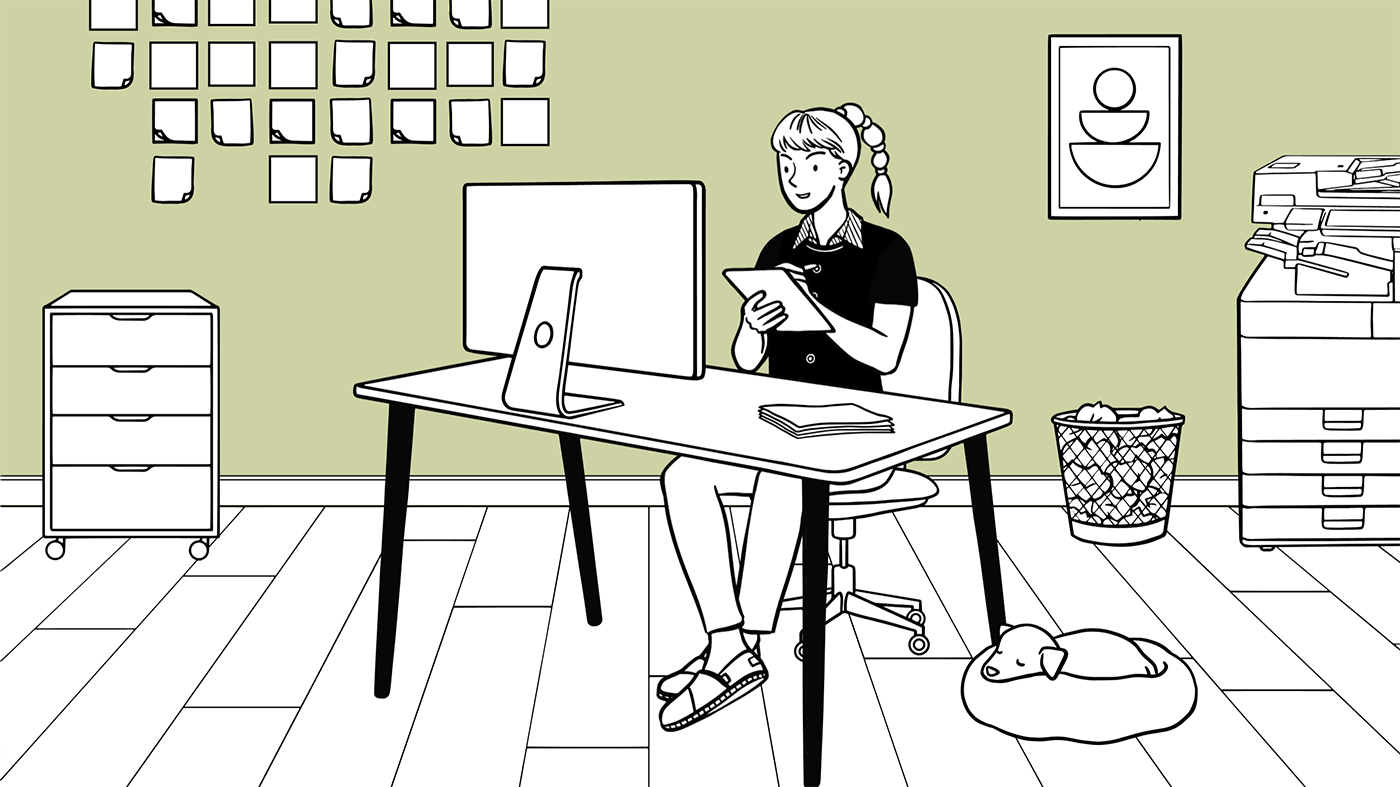
In a world where attention spans are shrinking and visuals dominate our screens, the right technique for visual communication has become more crucial. Here’s why StoryTribe aims to redefine how we share and understand ideas.

Yunmie Kim
Multimedia Specialist
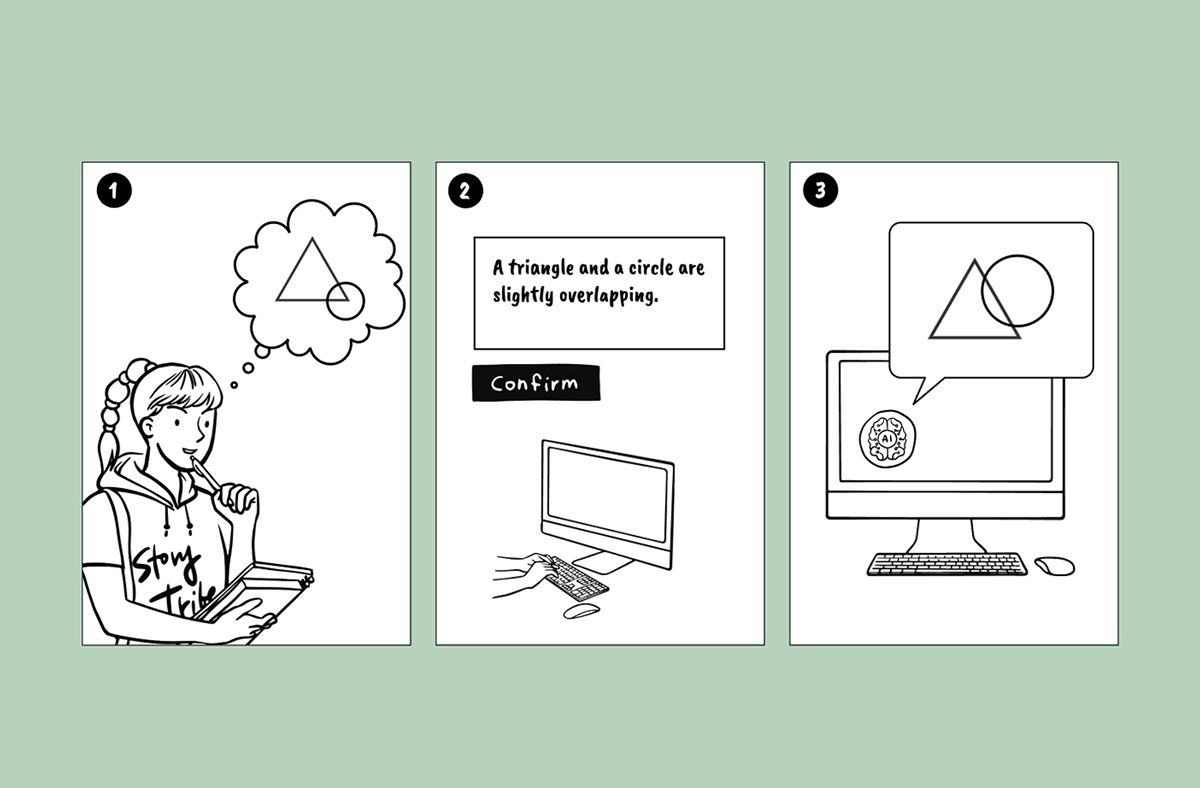
In this blog, I'll talk about some common problems people experience when using AI to generate visual content, and how a different approach could solve these problems.
Yunmie Kim
Multimedia Specialist