
In a world advocating for AI, we advocate for humans
AI should enhance creativity, not replace it. StoryTribe empowers humans to create more, keeping art and storytelling in our hands.

Yunmie & Joe
StoryTribe Team
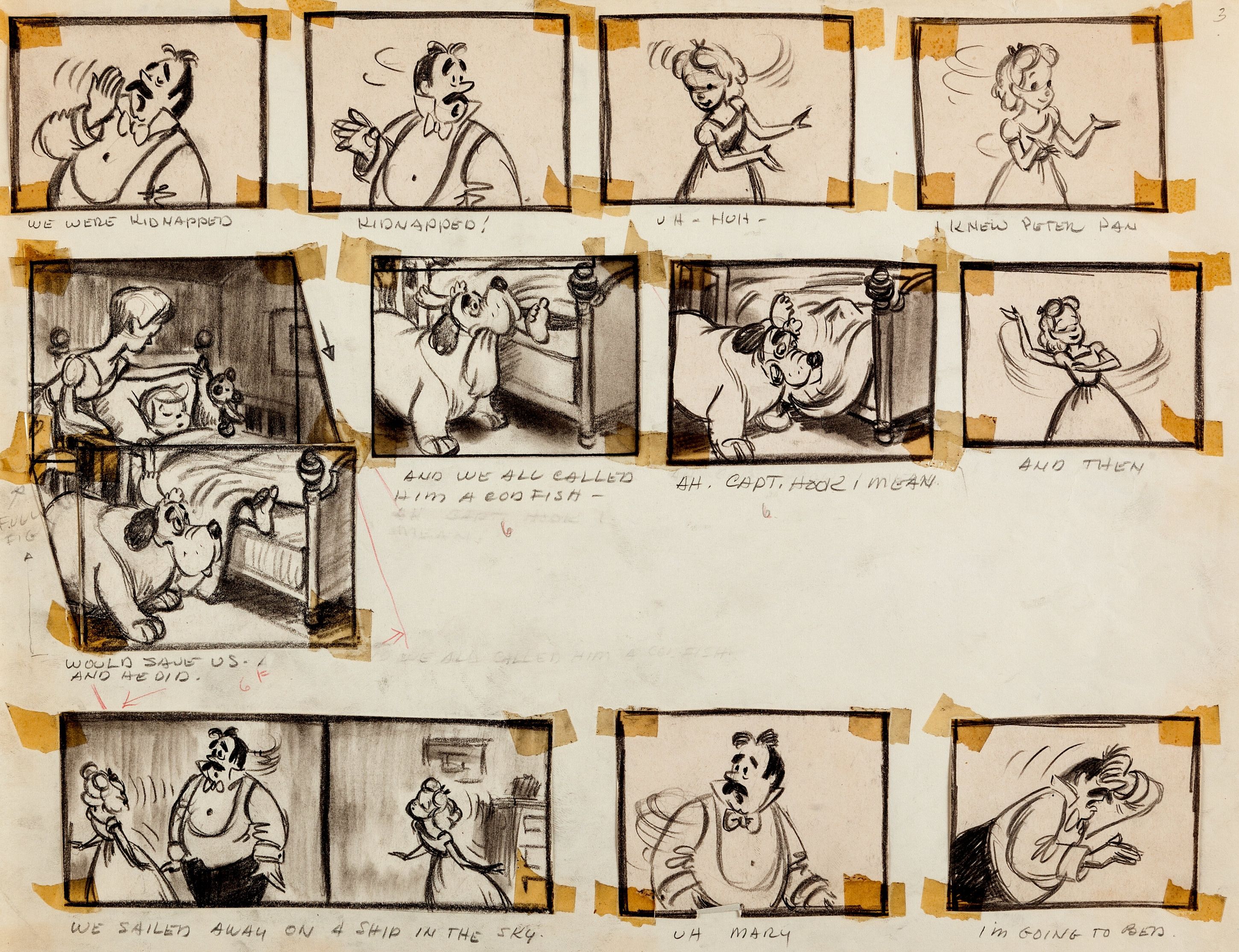
Let’s start with a couple of definitions of what a storyboard is:
According to the Oxford Dictionary:
"A storyboard is a sequence of drawings, typically with some directions and dialogue, representing the shots planned for a film or television production."
Here’s a more up-to-date definition from Wikipedia:
"A storyboard is a graphic organiser that consists of illustrations or images displayed in sequence for the purpose of pre-visualising a motion picture, animation, motion graphic, or interactive media sequence."
Storyboarding, originally developed in the film industry, has long been a valuable tool for creating video content. Walt Disney Studios pioneered the technique in the 1930s to create and organise cohesive stories. Since then, films, animations, and TV commercials have relied on storyboarding as an essential technique to plan visual narratives. However, this is often where most people's knowledge of storyboarding ends.
Today, storyboarding is no longer limited to video production — it has a wide range of applications that many people are unaware of. It’s now widely used across various industries, often without people even realising they’re using this technique. Below, we’ll explore the diverse applications of storyboarding and how it has evolved far beyond its cinematic roots.
AI should enhance creativity, not replace it. StoryTribe empowers humans to create more, keeping art and storytelling in our hands.
Yunmie & Joe
StoryTribe Team
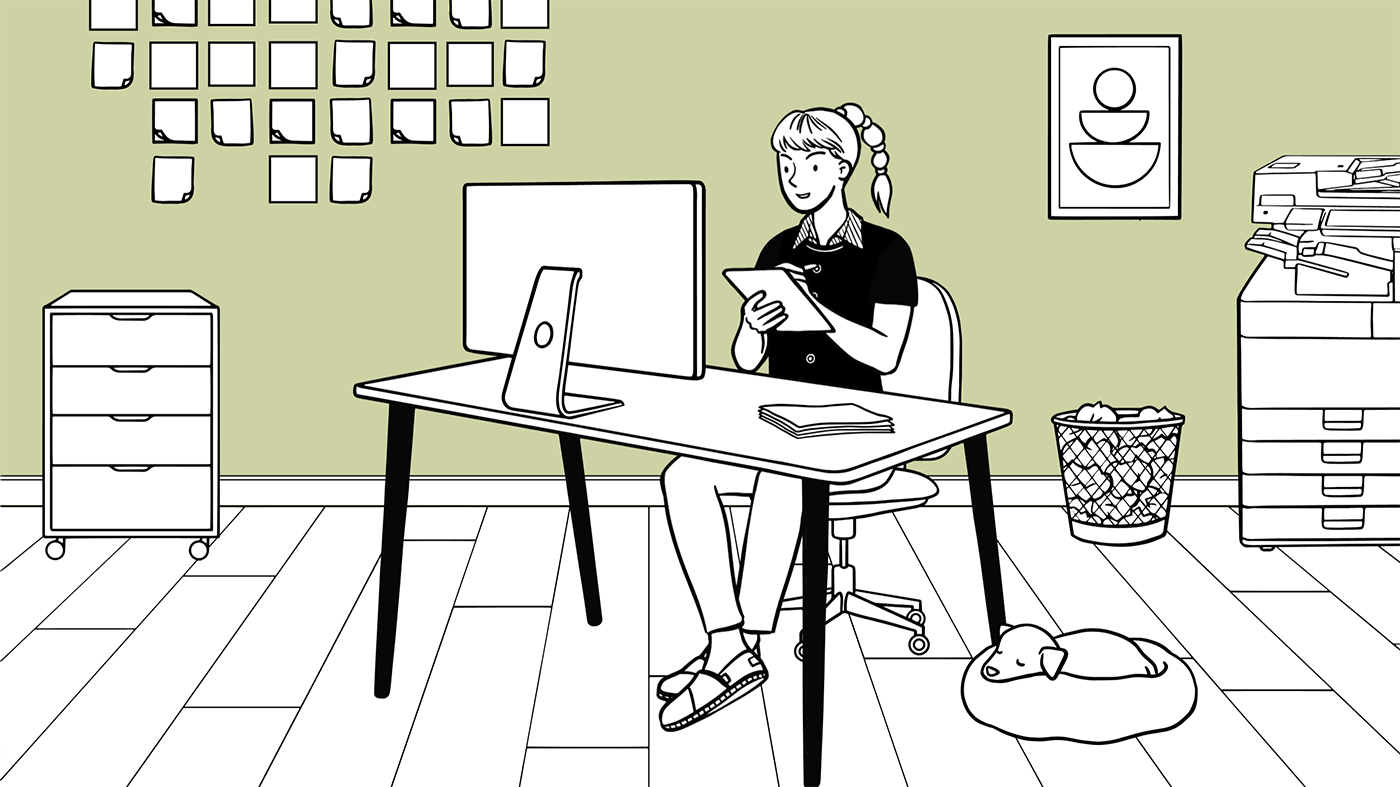
In a world where attention spans are shrinking and visuals dominate our screens, the right technique for visual communication has become more crucial. Here’s why StoryTribe aims to redefine how we share and understand ideas.

Yunmie Kim
Multimedia Specialist
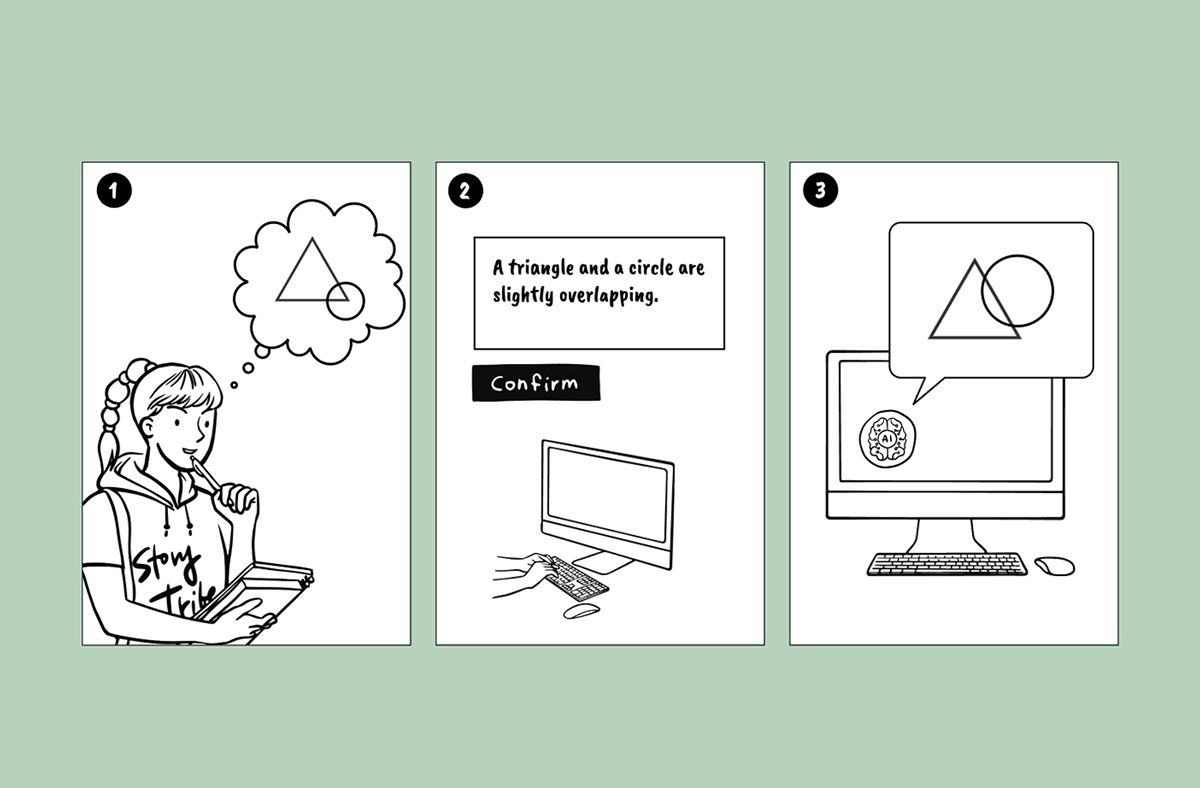
In this blog, I'll talk about some common problems people experience when using AI to generate visual content, and how a different approach could solve these problems.
Yunmie Kim
Multimedia Specialist